It’s been one year since I started serializing issues of Skullkickers online so it’s an ideal time to see how the site has done so far in terms of traffic and talk about online outreach as a whole.
If you’ve never read Skullkickers before, let me give you a quick introduction…
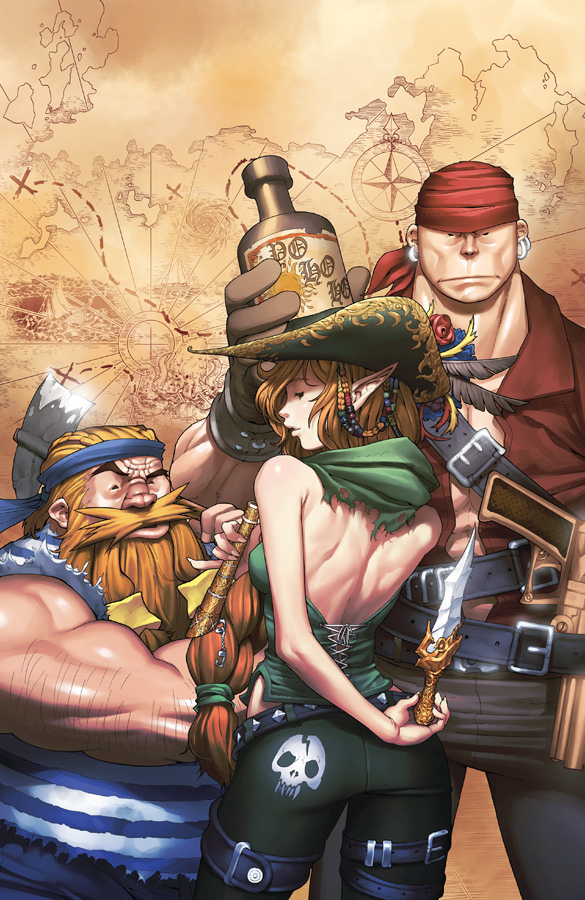
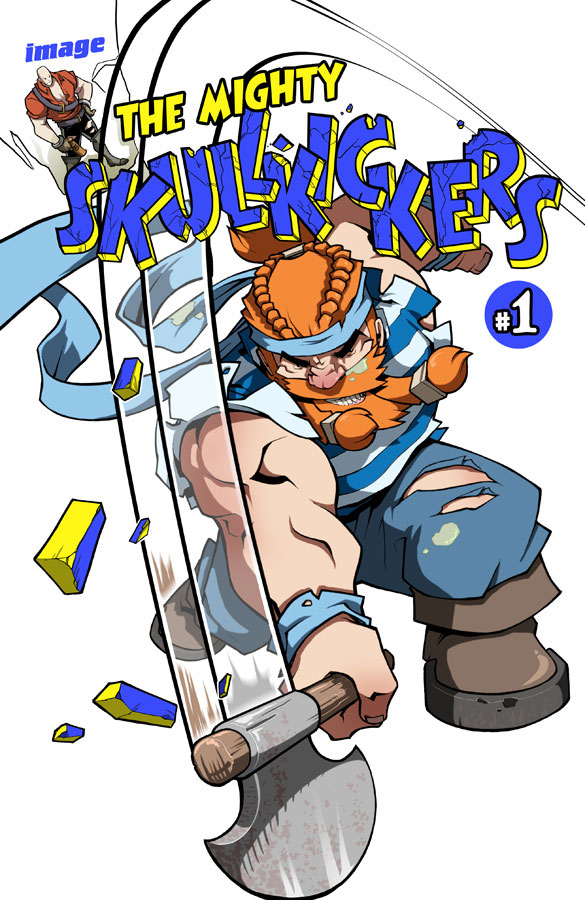
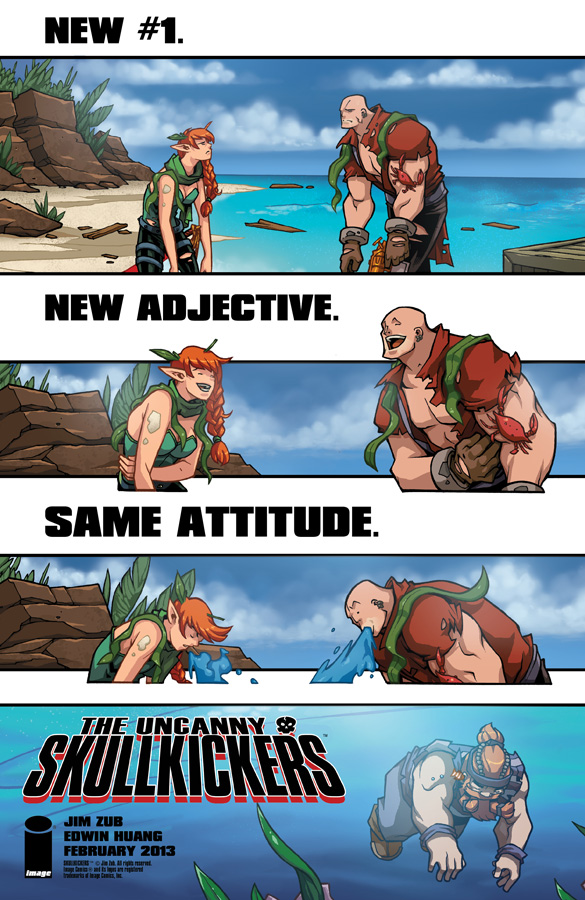
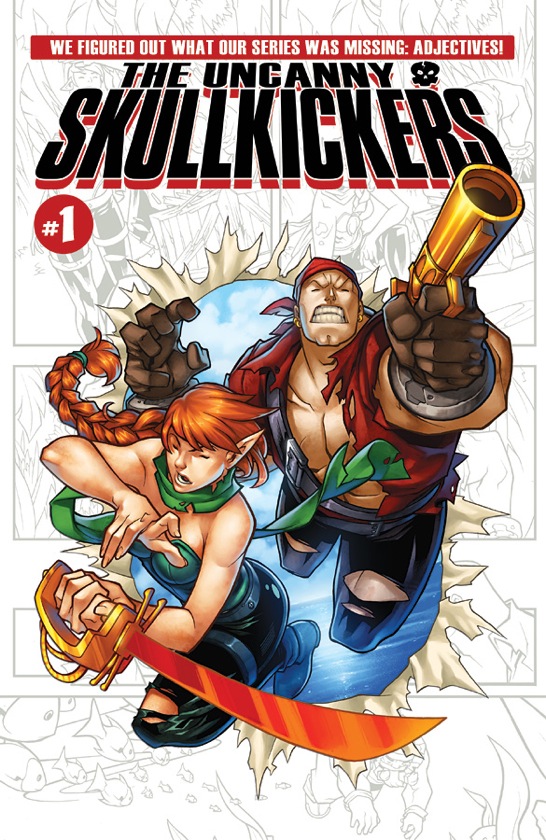
Skullkickers is a sword & sorcery buddy-adventure comic about monster mashing mercenaries on the hunt for fame and fortune. It’s The Hobbit meets The Hangover. Skullkickers is published by Image Comics and serialized online via Keenspot.
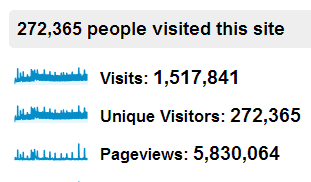
Skullkickers online has garnered just over 5.8 million pageviews and been visited by 272,000+ people over the past 12 months. More than 90 times the number of people who buy our monthly issues have checked out Skullickers online so far. Each month an average of 22,600+ new people come on board the story and the site generates almost 486,000 pageviews. I don’t know how it compares to other webcomics (though I’m sure it’s far lower than a lot of the long running and financially self sufficient sites) but it’s reaching 7-8 times our floppy comic print run worth of new readers every month, building up awareness of the title day by day using content we already had archived and ready to go.
In comic book shops my competition for your hard-earned dollars are worldwide icons like Batman and Spider-Man or massive media hits like The Walking Dead and Scott Pilgrim. Needless to say, standing out with that competition can be tough. Skullkickers’ single issue sales hover just off the bottom of Diamond’s Top 300 titles on any particular month while SK’s trade paperback sales are pretty good.
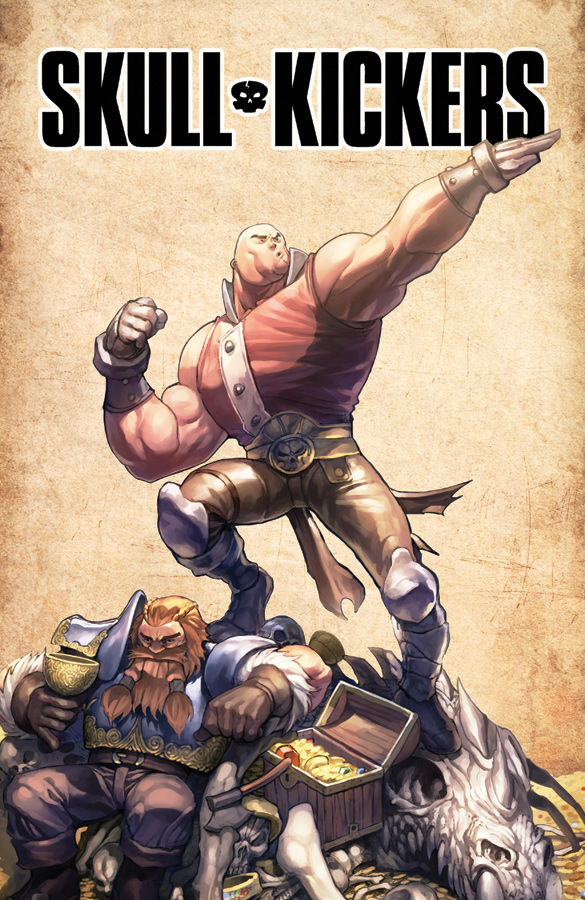
As we move ahead with our master plan for 36 issues divided into six story arcs (which will end up in print as 6 softcovers or a trilogy of hardcovers) I have to make sure people have an easy way to start at the beginning to get hooked. Online serialization of older content is proving to be a convenient and valuable way to do just that.
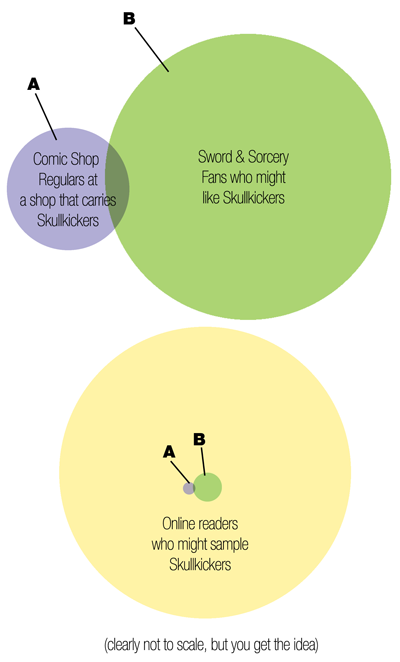
Fantasy comics have always struggled in the North American direct comic market. The Venn diagram of people who are reading superhero titles definitely includes fantasy fans, but not all comic shops carry creator-owned titles and not all comic shop regulars are fantasy readers, so our title is trying to appeal to a demographic inside a demographic inside a demographic. Online we’re available to anyone with an internet connection- obviously a much, much larger pool of fantasy fans who could become Skullkickers fans.
Even better, people who might not normally read sword & sorcery at all can still sample the series and be drawn in too. It’s global, it’s convenient and it’s available 24/7. We’re not excluding anyone at any time unless the server goes down.
Without any barriers to entry, new online readers can discover Skullkickers risk-free, reading along as a weekday ritual as I add pages, slowly growing more attached to the characters and their story. Getting these readers to sample is as simple as passing the URL to a friend, posting it on a social networking site or sending a tweet. Readers who wouldn’t have given my title a second glance at a bookstore can explore and enjoy at their own pace. It’s Free Comic Book Day every day at Skullkickers Online.
Okay, it’s all well and good to talk about outreach and an online readership, but the value of amazing comic retailers and print readers comes from their financial commitment to the series. Retailers are the bedrock of our financial viability through Image and our print readers keep us afloat. Our whole creative team works hard to ensure every issue is worth its $3.50 cover price with a fun story, great artwork and enjoyable bonus content. I know a lot of retailers and fans would assume that serializing the older issues online for free would hurt sales, but it hasn’t been the case.
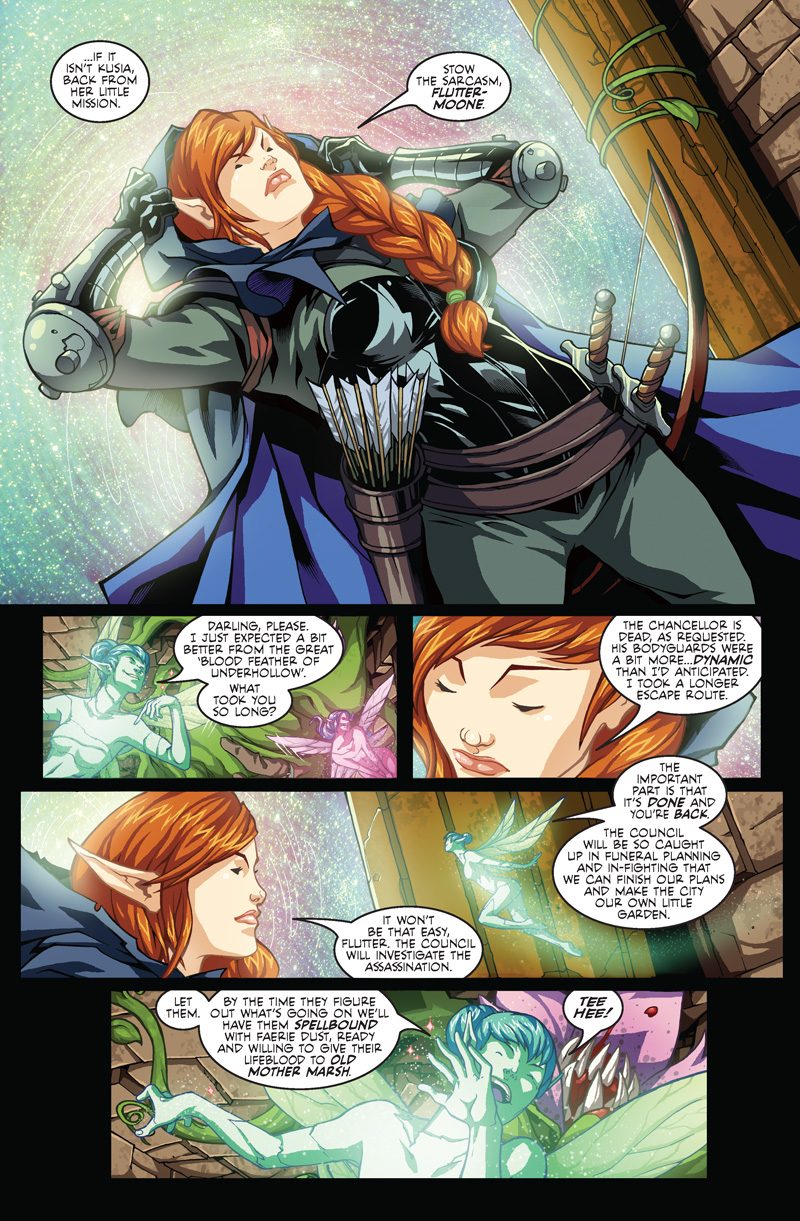
As I mentioned in my post over the summer about convention sales, print and digital are working together pretty harmoniously. Our print numbers aren’t hurting because of online serialization and some of our online readers are becoming print buyers, especially the collected trade paperbacks and deluxe hardcover ‘Treasure Trove’ edition. Retailers who stock the series are benefiting from our online outreach, not hurting from it.
When readers become really attached to the series online they’re willing to buy a print copy, both for their own enjoyment and as a measure of support for our hard work. Sure, the majority of people will casually read it online for free but, by casting such a wide net to potential new readers, I’m able to expand book sales overall, reaching more and more people each month long after individual print issues have sold out. The hard-to-find early issues are absolutely crucial because they’re the entry point for new readers. Thanks to the online site they’re always available. You can start reading Skullkickers right now, right here.
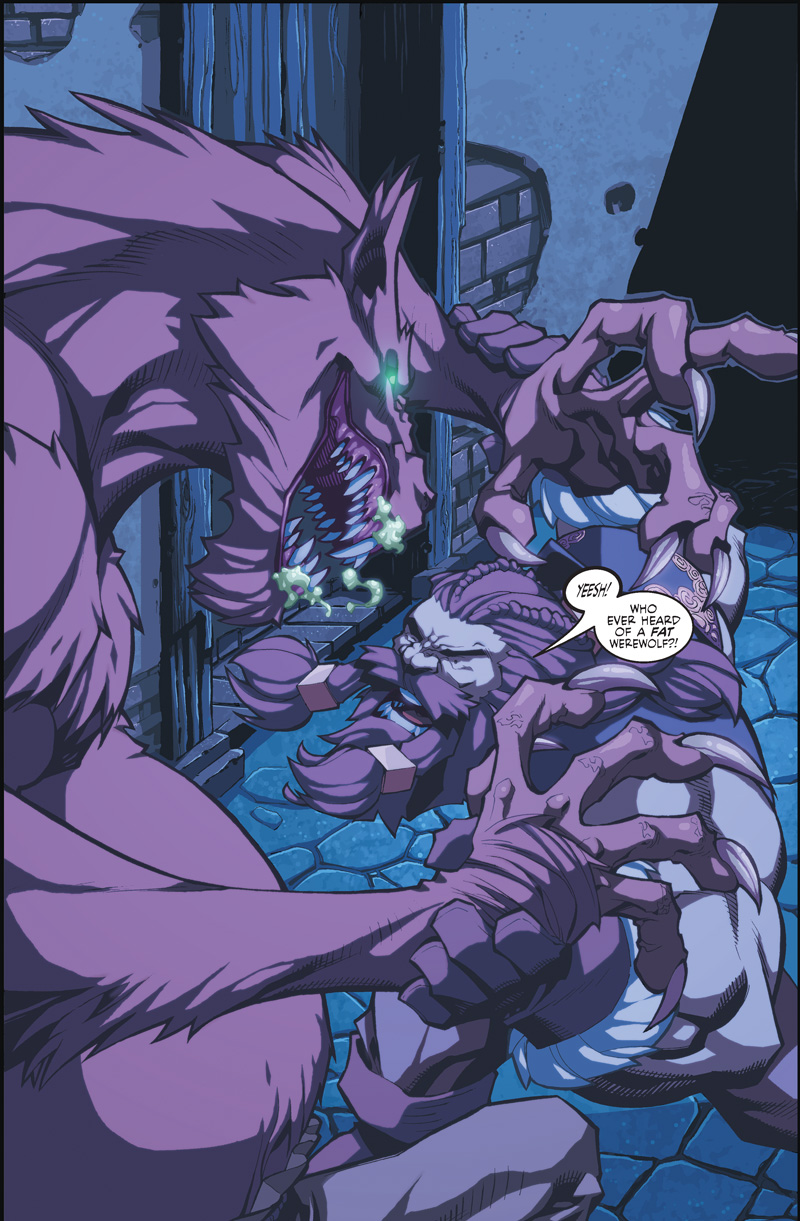
I make it clear that if you’re enjoying the pages you’re reading on the site now, you can read even more of the story any time you want by making a purchase. By serializing older issues I’ve been able to jumpstart print and digital comic sales a bit too. People can catch up to the ‘current’ story any time they want via their local comic shop, Amazon, other book outlets, comiXology, Graphicly or iVerse. We’re banking on the quality of the work to convince people to pay to catch up, collect or own one of our collected editions and it seems to be working.
In 2012 I had record-breaking book sales at 5 conventions and even my worst convention was nearly equal to the best shows I had in 2011. I kept asking people how they’d heard about Skullkickers and a ridiculously high number were through good word of mouth and reading the archives online for free.
I wasn’t kidding when I said “Everybody wins”.
Serializing Skullkickers online has helped keep us viable and broadened our appeal to much larger audience. Online serialization works with print, works with conventions and even works with other digital platforms. It isn’t an instant fix and doesn’t solve the financial pitfalls of creator-owned comics all by itself, but it’s definitely an important tool more creators should be looking into as they work to create a readership for their work.
I’m a storyteller with a small creator-owned comic trying to build a readership from scratch. There’s absolutely no reason for me to narrow the delivery model for my story. The more channels I can make my content available through, the better.








 Zub on Amazon
 Zub on BlueSky
 Zub on deviantART
 Zub on Facebook
 Zub on GoodReads
 Zub on Instagram
 Zub on Patreon
 Zub on Substack
 Zub on YouTube
 Follow this blog's RSS feed
 Makeshift Miracle